You’ve probably seen the videos. A chipped, gappy smile goes in; an hour or two later, a bright, even one comes out. No drilling, no needles, no weeks of waiting. It’s easy to see why composite bonding has become one of the most requested cosmetic treatments in UK dental practices.
What those clips don’t show is the same smile three years on: whether it has stained, chipped or been polished back to life, and whether bonding was the right choice in the first place. I place bonding most weeks, and I think it can be fantastic value. I also talk plenty of people out of it. This guide gives you the full picture, including the parts that rarely make it onto social media, so you can decide which camp you’re in.
The quick answer: composite bonding is worth it if you have healthy teeth and gums, want to fix small chips, gaps or uneven edges, and are happy to maintain it. It costs far less than porcelain veneers and usually needs little or no drilling. But it stains, can chip, won’t respond to whitening, and typically needs polishing, repairs and eventually replacing. It’s not a one-off purchase.
What composite bonding actually is (and isn’t)
Composite bonding uses a tooth-coloured resin, the same family of material as white fillings, which your dentist sculpts directly onto your teeth in layers. At Eccleshill Dental, the process runs like this:
- The tooth is cleaned and dried.
- A conditioning gel prepares the surface so the resin can grip.
- Resin is matched to your natural shade (or your chosen new shade) and built up in layers.
- Each layer is hardened with a curing light.
- The finished tooth is shaped and polished to a smooth, glossy finish.
There are two broad versions. Edge bonding adds resin to just part of a tooth, typically to repair chipped or worn edges or close a small gap. Composite veneers cover the whole front surface to change the shape and colour more dramatically.
It’s worth clearing up a common confusion. Bonding is additive: material is placed on top of your tooth. The “Turkey teeth” you may have seen in the news are usually crowns or aggressive veneers, which involve filing healthy teeth down. They’re a very different treatment with very different risks.
The pros
1. Usually little or no drilling
Because bonding adds material rather than removing it, most cases need little or no reshaping of healthy enamel. That makes it one of the most conservative cosmetic options available. Compare that with porcelain veneers, which normally involve removing a thin layer of the tooth’s front surface, or crowns, which remove far more.
2. It’s quick
Most bonding is done in a single visit. At our practice, each tooth takes around 30 to 45 minutes. There’s no lab stage and no temporary teeth, and you can eat on your bonding the same day, though we suggest avoiding very hard foods for the first couple of days.
3. It costs far less upfront than porcelain
Across the UK, bonding typically costs £200 to £400 per tooth. At Eccleshill Dental, bonding starts from £265 per tooth for mild cases and £350 for moderate ones, while porcelain veneers start from £1,094.98 per tooth for private patients. For many people, that difference is what makes a smile improvement possible at all.
4. Chips can be repaired
If a porcelain veneer breaks, it usually has to be remade in a lab. If bonding chips, your dentist can often repair or rebuild it in one appointment.
5. It’s versatile
Bonding can:
- repair chipped or broken edges
- close small gaps between teeth
- even out teeth of different lengths or shapes
- rebuild edges worn down over time
- mask mild discolouration on one or a few teeth
- add a finishing touch after teeth straightening, when the teeth are aligned but the edges still look uneven
6. It’s a good way to “test drive” a new smile
Because bonding is adjustable, it can be reshaped if you’d like a slightly different look. Some patients use it to live with a new shape before deciding on longer-lasting porcelain later.
The cons nobody shows on Instagram
Complaints about bonding have grown alongside its popularity. The General Dental Council (GDC), which regulates UK dentists, reports that bonding rose from 18% to 22% of the clinical complaints handled by the Dental Complaints Service between 2021 and 2022, though that share has since fallen. A review by the Dental Defence Union of 120 bonding case files found two-thirds came from patients unhappy with how their teeth looked, often because of staining or an uneven result.
Most of those disappointments trace back to the same handful of limitations. You should hear about all of them before you book.
1. It stains
Composite is more porous than natural enamel, so it picks up colour from tea, coffee, red wine, cola, smoking and strongly coloured spices such as turmeric. Professional polishing removes surface staining, but resin that has darkened throughout eventually needs replacing.
2. The shine fades
Over time, composite loses some of its gloss and can feel slightly rough. Regular polishing at your hygiene appointments keeps it looking fresh.
3. It can chip
Composite is strong, but not as tough as enamel or porcelain. Biting your nails, chewing pens, opening packets with your teeth or biting straight into a crusty baguette with your front teeth can all chip an edge. Grinding or clenching your teeth, often at night, is the biggest risk of all.
4. Whitening won’t change its colour
Whitening gel lightens natural teeth, not resin. If you want whiter teeth, whiten first and have the bonding matched to your new shade. If you decide to whiten later, the bonding will stay the old colour and usually needs replacing to match.
5. It isn’t as “reversible” as you may have heard
Bonding is often described as fully reversible. The GDC is clear that this isn’t accurate: while composite can be removed, taking it all off without altering the enamel underneath is extremely difficult. Treat bonding as a long-term commitment you’ll maintain, not a trial you can undo without trace.
6. It can feel bulky at first
Adding material changes the shape of your teeth, which can affect how your lips sit, how you bite and even certain sounds when you speak. Most people adapt within days. If something still feels wrong, your dentist can adjust it.
7. The cost doesn’t stop on day one
Polishing, occasional repairs and eventual replacement are part of the deal. Budget for them now rather than being surprised later.
Pros and cons at a glance
| The upside | The trade-off | |
| Your natural teeth | Little or no drilling in most cases | Not truly reversible; removing it can affect the enamel |
| Time | Usually one visit, around 30 to 45 minutes per tooth | Needs polishing and occasional repairs over the years |
| Cost | From £265 per tooth at Eccleshill, against from £1,094.98 for porcelain | Likely to need replacing within 2 to 10 years |
| Appearance | Shade-matched to your teeth; shape can be adjusted | Stains more than enamel or porcelain and gradually loses its shine |
| Strength | Chips can usually be repaired in one visit | Chips more easily than porcelain, especially if you grind |
| Colour later on | Can be matched to newly whitened teeth | Won’t change colour if you whiten afterwards |
How long does composite bonding last? What the research says
The honest answer is that it varies a lot from person to person. At our practice we tell patients to expect anywhere between 2 and 10 years, depending on where the bonding is, how hard they bite, what they eat and drink, and whether they smoke.
The research reflects that range:
- In the short to medium term, survival is good. A 2023 systematic review in the Journal of Evidence-Based Dental Practice pooled randomised trials with follow-ups of roughly 2 to 8 years and estimated survival for composite veneers at 88%, rising to 91% for those built directly on the tooth. The most common problem it found was the surface becoming rough, not outright failure.
- Over the longer term, porcelain wins. A 10-year study of veneers placed in general practice, published in Dental Materials, found composite veneers needed repair or replacement roughly three times as often each year as porcelain ones.
“Survival” in these studies usually means the bonding is still in place, not that it looks as good as on day one. Many surviving restorations had been polished, repaired or touched up along the way.
What shortens bonding’s life most:
- grinding or clenching your teeth
- nail-biting, pen-chewing and using teeth as tools
- smoking and frequent tea, coffee or red wine
- poor brushing and missed hygiene appointments
- a bite that puts heavy pressure on the bonded edges
What it really costs over 10 years
The upfront price is only half the picture. Here’s an illustrative comparison for six upper front teeth, using Eccleshill Dental’s published private “from” prices. Your own quote will depend on your teeth.
| Composite bonding | Composite veneers | Porcelain veneers | |
| Price per tooth (from) | £265 (mild) to £350 (moderate) | £389 | £1,094.98 |
| Six teeth, upfront | from £1,590 | from £2,334 | from £6,570 |
| Six teeth over 10 years, assuming one full replacement for composite | from £3,180 | from £4,668 | from £6,570, if no replacement is needed |
| Tooth preparation | Little or none | Little or none | Usually a thin layer of enamel removed |
| Typical lifespan | 2 to 10 years | Similar to bonding | Often 10 years or more |
| Can it be whitened? | No | No | No, but porcelain resists staining far better |
| Maintenance | Regular polishing, occasional repairs | Regular polishing, occasional repairs | Less frequent |
Even allowing for one replacement, bonding comes out cheaper over a decade. The gap narrows, though, and if you grind your teeth or want a bigger change in shape and colour, porcelain can be better value in the long run.
Two ways to spread the cost: Eccleshill offers 0% APR finance (subject to status, minimum spend applies), and members of our dental plans pay reduced fees on many treatments, with routine check-ups included in the plan.
Who composite bonding is worth it for
Bonding tends to give the best value if you:
- have healthy teeth and gums, with no untreated decay or gum disease
- want to fix something small and specific: a chipped front tooth, a small gap, uneven edges or mild wear
- have recently finished braces or aligners and want the edges tidied up
- would rather avoid drilling healthy teeth
- are happy to look after it with good brushing, hygiene visits and sensible habits
Who should think twice
Bonding isn’t the right first step for everyone. Think carefully, and ask your dentist directly, if any of these apply:
- You grind or clench your teeth. This is the most common reason bonding chips or breaks. It may still be possible with a custom night guard, but go in with your eyes open.
- You have decay or gum disease. These need treating first. Bonding over unhealthy teeth or gums rarely lasts, and gum problems can make the result look worse over time.
- Your teeth are crowded or sticking out. Bonding can disguise mild unevenness, but building out crooked teeth to make them look straight often makes them look bulky. Straightening first usually gives a better, longer-lasting result.
- Your teeth are badly worn or eroded. Wear from grinding, acid reflux or frequent vomiting needs its cause identified and managed first. Bonding on very worn teeth is complex work, not a quick cosmetic fix.
- You smoke or drink a lot of tea, coffee or red wine. Bonding can still work, but expect more staining and more frequent polishing.
- You want a dramatic, very white “filter” smile. Large changes in colour and shape are often better served by porcelain, and a good dentist will tell you honestly what’s achievable.
Four common situations, and what usually works best
| Your situation | What I’d usually suggest | Why |
| A chipped front tooth after a fall or a bad bite | Bonding | A quick, conservative repair that can be matched closely to the tooth around it |
| A small gap between your front teeth | Bonding, sometimes after a short course of aligners | Small gaps close neatly; larger ones can look bulky if filled with resin alone |
| Teeth that are slightly crooked and a bit yellow | Straighten, then whiten, then bond only what’s left | Moving the teeth first means less resin and a more natural result |
| Short, flat edges worn down by grinding | Manage the grinding first, often with a night guard, then rebuild | Bonding over an untreated grinding habit tends to chip again and again |
Your dentist will tailor the plan to your teeth. But if you recognise yourself in the last two rows, be wary of anyone offering bonding alone on the day.
Alternatives worth weighing
- Whitening alone. If colour is your main concern, professional whitening may be all you need, and it’s often the right first step before any bonding.
- Align, whiten, then bond. For crooked or gappy teeth, many dentists recommend straightening first (with clear aligners or braces), then whitening, then bonding only where it’s still needed. That way, you need less resin and get a more natural result.
- Enamel reshaping. A slightly uneven edge can sometimes be smoothed and polished with no material added at all.
- Porcelain veneers. Higher cost and some tooth preparation, but more stain-resistant and usually longer-lasting. Often the better choice for bigger changes in colour or shape.
- For heavily broken or root-filled teeth that need strength, not just a cosmetic fix.
How to choose who does your bonding
Bonding looks simple, but good results depend on careful planning and a skilled hand. Before you book, check these:
- They’re registered with the GDC. You can check any UK dentist on the GDC’s online register in a minute.
- They examine you properly first. Expect a full check-up, gum assessment, a look at your bite and X-rays where needed. A quick look followed by bonding in the same session is a warning sign.
- They show you the plan. A mock-up, digital smile design or photos of a planned shape help you see what’s realistic before any resin goes on.
- They talk about the downsides. A good dentist will explain staining, chipping, maintenance and alternatives without you having to ask.
- You get a written plan and costs. This should include what happens, and what it costs, if the bonding chips or needs replacing.
- They ask about grinding. If you clench or grind, they should discuss a night guard.
- They can show their own work. Ask to see unfiltered before-and-after photos of their patients, not stock images.
Red flags include promises that bonding is “completely reversible” or “risk-free”, bargain packages for 20 teeth with no examination, and pressure to decide on the day.
If you’re tempted to have bonding abroad, read the GDC’s patient advice on going abroad for dental treatment first. Follow-up care and repairs are much harder to arrange once you’re home.
Making it last: an aftercare checklist
- Whiten first, if at all. Decide on your shade before bonding, not after.
- Go easy for the first couple of days. You can eat straight away, but avoid very hard foods and chew on the other side where you can.
- Keep up hygiene visits. Professional polishing restores the shine and removes surface stains. Ask your hygienist to check your bonding each time.
- Brush twice a day and clean between your teeth. Plaque at the edges of bonding causes staining and can lead to decay underneath.
- Choose a non-abrasive toothpaste. Harsh “whitening” pastes can dull the surface of composite.
- Rinse with water after tea, coffee, red wine or curry.
- Don’t use your teeth as tools. No nail-biting, pen-chewing or tearing packets open.
- Wear a night guard if you grind, and a sports mouthguard for contact sports.
- Get chips looked at early. A small chip is a quick repair; left alone it can spread.
Quick self-check: is bonding right for you?
Answer these five questions honestly:
- Are your teeth and gums healthy, and are you up to date with check-ups?
- Is the change you want fairly small: chips, small gaps, or uneven or worn edges?
- Are you happy with the colour of your teeth, or willing to whiten them first?
- Do you avoid grinding or clenching, or will you wear a night guard if you do?
- Will you keep up hygiene visits and accept that polishing, repairs and eventual replacement are part of the deal?
Five yeses: bonding is likely to be good value for you. One or two noes: it may still work, but raise those points at your consultation. Three or more noes: ask about alternatives before committing.
The verdict: is composite bonding worth it?
For the right person, yes. If your teeth and gums are healthy, the change you want is modest, and you’re prepared to look after it, bonding offers a noticeable improvement for a fraction of the cost of porcelain, usually without drilling healthy teeth.
It’s less worth it if you grind your teeth, need a big change in colour or shape, or expect it to stay perfect with no upkeep. In those cases, straightening, whitening or porcelain may serve you better.
Whatever you’re considering, start with a proper consultation where the downsides are discussed as openly as the results. If you’re in West Yorkshire, you can read more about composite bonding at Eccleshill Dental in Bradford, including treatment steps, before-and-after photos and prices.
Composite bonding FAQs
Does composite bonding hurt?
Most people find it comfortable, and many cases need no injection because little or no tooth is removed. If your dentist needs to prepare a tooth or work near the gum, they can numb the area first.
Can composite bonding be whitened?
No. Whitening only lightens natural teeth. If you want whiter teeth, whiten before bonding so the resin can be matched to your new shade.
Is composite bonding available on the NHS?
Bonding done purely to improve how your teeth look isn’t available on the NHS. If a tooth is broken or decayed, repairing it may be covered as clinically necessary treatment, but cosmetic reshaping usually won’t be.
Will composite bonding damage my teeth?
Well-planned bonding on healthy teeth shouldn’t damage them, because little or no enamel is removed. Problems usually come from poor case selection, untreated decay or gum disease, or attempts to remove bonding later. Removing it completely without affecting the enamel is difficult, so treat it as a long-term choice.
How much does composite bonding cost in the UK?
Typically £200 to £400 per tooth, depending on the practice and how much work each tooth needs. At Eccleshill Dental, bonding starts from £265 per tooth for mild cases and £350 for moderate ones.
How long does composite bonding take?
Usually one appointment, with each tooth taking around 30 to 45 minutes.
Sources
- General Dental Council, “Bonding boom: composite bonding insights for dental professionals”, 28 April 2026
- Dental Defence Union, “Composite bonding: keeping up appearances”, Dentistry, 9 May 2023
- Lim TW et al., “Survival and complication rates of resin composite laminate veneers: a systematic review and meta-analysis”, Journal of Evidence-Based Dental Practice, 2023
- “10-year practice-based evaluation of ceramic and direct composite veneers”, Dental Materials, 2022
- Eccleshill Dental, composite bonding and fees pages, checked 22 October 2026
Notes for you (delete before sending)
- Fill in the byline: dentist’s name, qualifications and GDC number at the top. The intro and the “Four common situations” table are written in their voice, so ask them to confirm both reflect their practice.
- Fix the bonding page first. The article follows the GDC’s 2026 guidance that bonding shouldn’t be called fully reversible. The Eccleshill bonding page still says it is, and that teeth are left as they were. Update that wording before this goes live so the article and the page it links to agree.
- Prices are Eccleshill’s published “from” prices as of 22 October 2026. Recheck them if the article is published later. The UK-wide £200 to £400 range comes from published practice pricing across the UK.
- One link only. The article’s single link is the anchor “composite bonding at Eccleshill Dental in Bradford” in “The verdict”, pointing to the Eccleshill bonding page. Sources are cited as plain text with no links. Some editors will remove the practice prices in the cost table and FAQ as promotional; if so, keep the UK range and the table structure.
- Suggested title tag: Is Composite Bonding Worth It? Pros, Cons & Costs (UK)
- Suggested meta description: A Bradford dentist’s honest guide to composite bonding: what it fixes, how long it lasts, real UK costs over 10 years, and who should think twice.
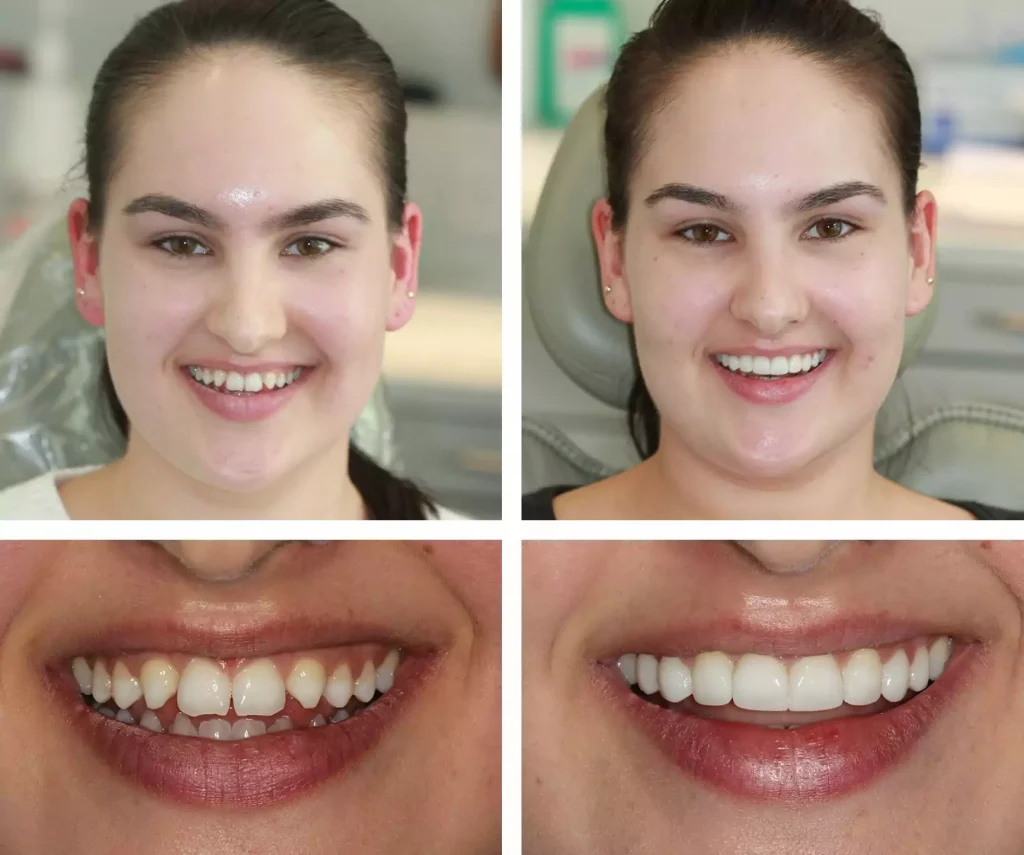
- Images to request: one before-and-after from the practice gallery (with patient consent), and a simple graphic of the aftercare checklist.
- Length: about 2,700 words.